Guide
How to reseal a bath
Reseal a bath by removing the old silicone, cleaning and drying the gap, and applying fresh sealant. Plain steps for DIY and what a handyman can do for you.
Why a bath needs resealing
The sealant around a bath keeps water out of the gap between the bath and the wall. Old sealant can crack, peel or go black with mould.
Once water gets behind the bath it can damage the wall and the floor, so resealing is worth doing as soon as you see gaps.
Remove the old sealant
Cut along the old silicone with a sharp blade and peel it away. A sealant removal tool or a plastic scraper helps get into the corners.
Clean the gap with a cleaner made for silicone, then wipe it clean.
Fill the bath and let the surfaces dry
Fill the bath with water before you seal. The weight of the water pulls the bath down to its lowest position, so the sealant is not stretched when the bath is used.
Dry the gap fully with a cloth, as sealant will not stick to a damp surface. Mask both sides of the gap with tape for a neat line.
Apply the sealant
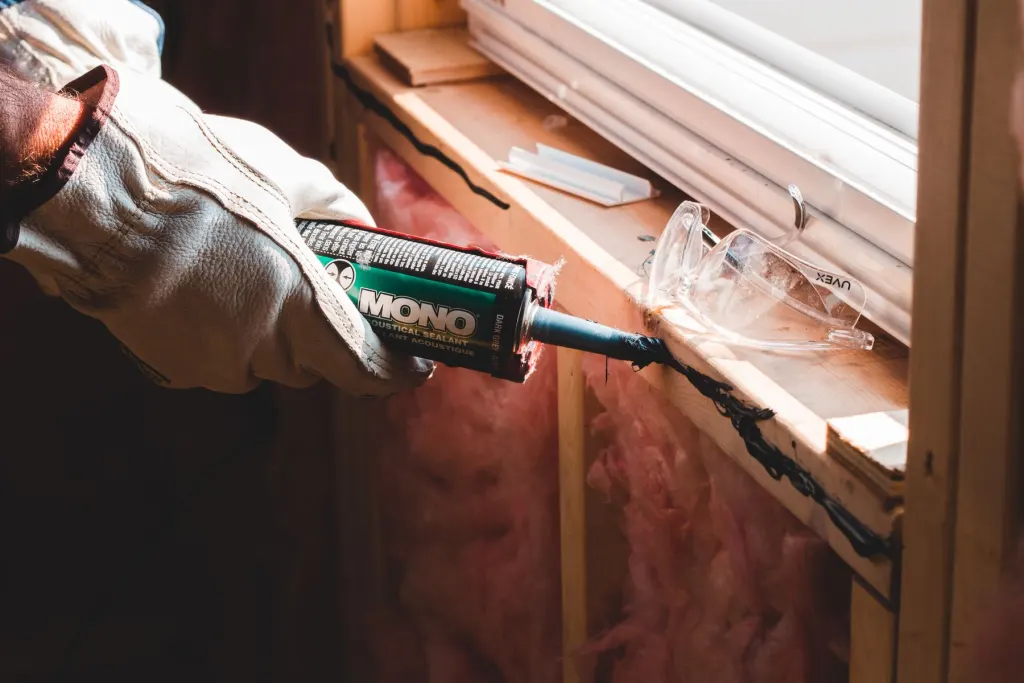
Cut the nozzle at a slight angle, run an even bead along the gap in one go and smooth it with a finger or a profile tool. Pull the tape off while the sealant is wet.
Leave it to cure for the time shown on the cartridge before you empty the bath and use the shower. Choose a sanitary silicone for baths.
When to ask a handyman
A handyman can reseal a bath or shower and regrout tiles at the same visit. It saves time if you have a list of small bathroom jobs.
If tiles are loose, grout is crumbling or there is damp behind the bath, say so when you book so the right materials are brought.
Common questions
How long does sealant take to dry?
It varies by product, so check the cartridge. Leave it to cure fully before you use the bath or shower.
Why does bathroom sealant go black?
Mould grows on sealant that stays damp, especially in poorly ventilated bathrooms. Remove the old sealant and clean the gap before you apply fresh sealant.
Can I seal over old silicone?
No. Fresh sealant does not stick well to old silicone. Remove all the old sealant first, then clean and dry the gap.