Guide
Draught proofing your home: doors and windows
Draught proofing fills gaps around doors and windows to stop cold air coming in. See the simple materials, where to use them and which jobs a handyman can do.
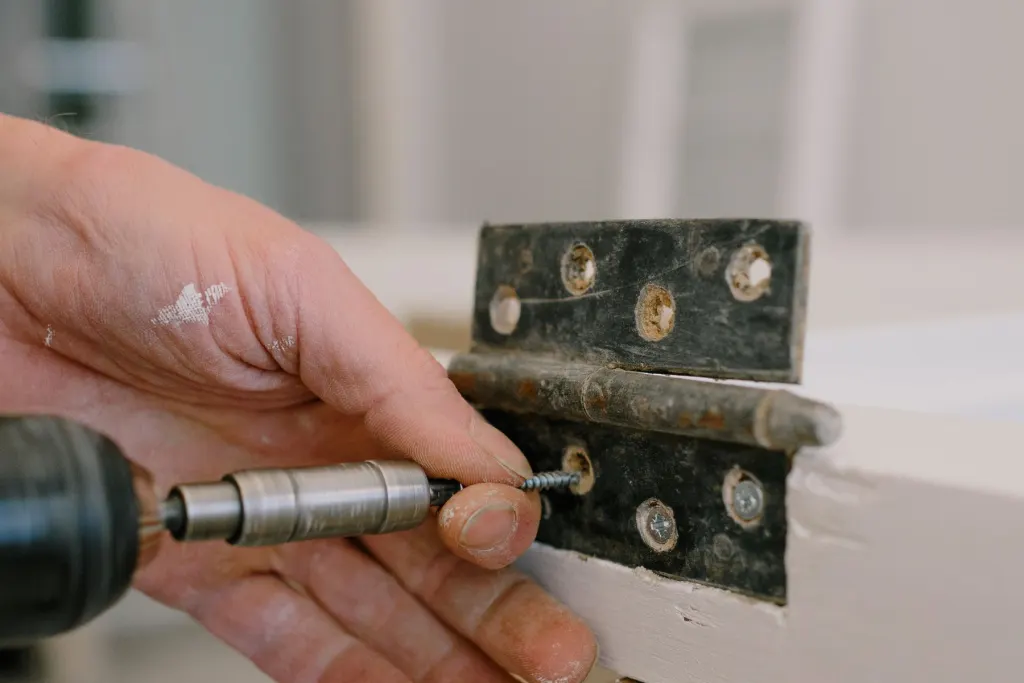
What draught proofing does
The Planning Portal, the government's planning and building regulations site for England, says draught proofing simply fills gaps and decreases the amount of cold air entering your home. It says that in a typical home 20 per cent of all heat loss is through draughts and ventilation.
Cold air around windows or doors is a sign that warm air may be leaving.
Materials you can use
The Planning Portal lists brushes, foams, sealants, strips and shaped rubber or plastic as options. Self adhesive foam or rubber strips suit door and window frames, brush strips suit the bottom of a door, and sealant suits fixed gaps.
Check the thickness of the gap before you buy, as the wrong size strip will not close it or will stop the door shutting.
Doors
Measure the gap round the door frame and choose a strip that suits it. A brush or flap strip can cover the gap at the bottom of an outside door, and the letterbox and keyhole can be covered too.
Open and close the door after fitting to make sure it still shuts properly.
Windows
For windows that open, fit strips round the frame so the window closes against them. For windows that do not open, a flexible sealant can fill the gap between the frame and the wall.
Old sash windows and older frames can be harder to deal with. A handyman can advise on which product suits.
Keep air moving where it is needed
Do not block vents in kitchens, bathrooms or rooms with a fire or boiler, as moisture and fumes need somewhere to go. If you have gas appliances, make sure they still have the air they need.
If you see damp or condensation after draught proofing, check the vents and ventilation. A handyman can fit strips and seal gaps. Anything involving gas appliances goes to a Gas Safe registered engineer.
Worth knowing
England
The Planning Portal says draught proofing simply fills gaps and decreases the amount of cold air entering your home, and lists brushes, foams, sealants, strips and shaped rubber or plastic as options. It says that in a typical home 20 per cent of all heat loss is through draughts and ventilation.
Planning Portal, Energy saving: draught proofing, planningportal.co.uk/info/200130/common_projects/76/energy_saving/8
Common questions
What is the easiest way to draught proof a door?
Fit a self adhesive strip round the frame and a brush or flap strip across the bottom. Measure the gap first so the strip is the right size.
Can I draught proof a window myself?
Yes, in most cases. Strips round an opening window and sealant for gaps that do not move are simple jobs. A handyman can do them if you prefer.
Should I seal every gap in the house?
No. Rooms with a fire, boiler or cooker, and kitchens and bathrooms, need ventilation. Leave vents open and ask for advice if you are unsure.
Where to go from here
- Door fitting
- Door fitting cost
- Property maintenance
- Property maintenance cost
- Curtain and blind fitting
- Curtain and blind fitting cost